
Coastal Salt-Air AC Corrosion in South Orange County
How marine salt air wears out outdoor AC and heat pump equipment in Laguna Niguel, Dana Point, Newport Beach, Laguna Beach, San Clemente, and Corona del Mar — and what actually helps.
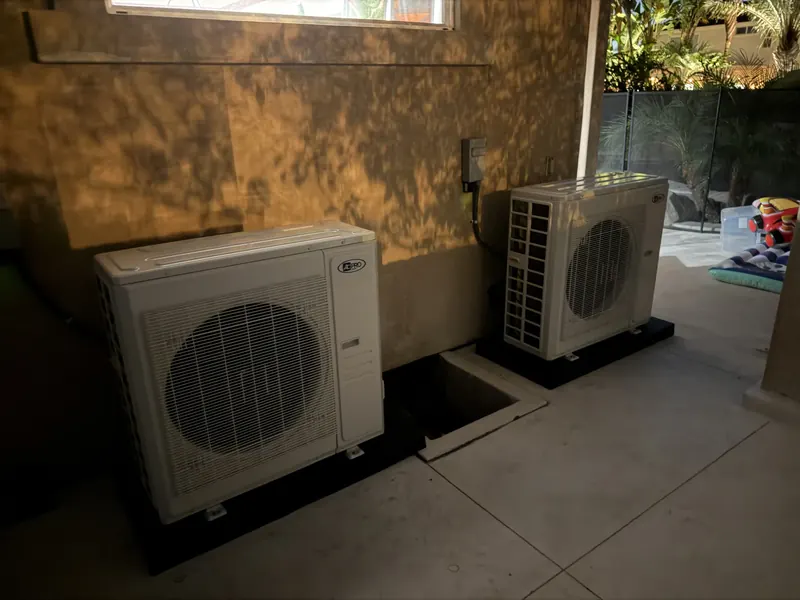
South Orange County’s coastal weather is easy on a house in a lot of ways. It is not easy on the metal sitting outside. Homes in Laguna Niguel, Dana Point, Newport Beach, Laguna Beach, San Clemente, and Corona del Mar live with marine air, morning fog, and fine salt that settles on outdoor air conditioners and heat pumps. That salt holds moisture against aluminum fins, copper tubing, cabinets, fasteners, and electrical connections, and it speeds up corrosion.
This is not a reason to panic every time you see a little white residue on a condenser. It is a reason to take outdoor-unit care seriously if you live near the water, and to be honest about repair versus replacement when the coil or cabinet is already failing. GoTech Air Conditioning & Heating is based in Laguna Niguel and services these coastal cities every week. We inspect the system, explain what we find, and give you the price before any work begins.
How salt air attacks an outdoor unit
An outdoor condenser or heat pump is a mix of metals and electronics sitting in the weather. Near the ocean, salt in the air lands on those surfaces and stays there unless it is rinsed off.
The parts that usually show wear first:
- Aluminum fins and copper tubing on the coil. Salt and moisture corrode the fins, and the coil starts to look crusted, pitted, or thin. Damaged fins cannot reject heat as well, so the system works harder and may freeze, short-cycle, or stop cooling on hot days.
- The cabinet, fasteners, and refrigerant connections. Rusted panels, frozen bolts, and corroded service valves make even a straightforward repair harder and, eventually, unsafe to work on.
- Electrical parts. The disconnect, contactor, terminals, and capacitor live in or beside the outdoor unit. Corrosion here causes intermittent failures, burned connections, and no-cool or no-heat calls that look like a “bad board” until you open the panel.
Distance from the water matters. A unit in a tight side yard above the beach in Dana Point or the Pier Bowl in San Clemente has a harder life than a unit a few miles inland in Laguna Niguel. Wind, morning marine layer, and whether the coil can dry out after a foggy night all play a part. The pattern is the same; the timeline is shorter the closer you are to the water.
Warning signs to take seriously
Call for a visit if you notice any of these on a coastal outdoor unit:
- White, green, or chalky buildup on the coil fins, or fins that crumble when you look closely
- Rust-through on the cabinet, base pan, or nearby disconnect
- A unit that used to cool well and now runs long, short-cycles, or blows warmer air on hot afternoons
- Frequent electrical repairs — a failing contactor, burned terminals, or a capacitor that does not last
- Refrigerant stains, oil residue, or a suspected leak at a corroded coil or connection
- A musty smell or icing that points to a coil that can no longer do its job
Do not spray a corroded coil with a pressure washer. High pressure bends fins and can drive salt and water deeper into the unit. A gentle garden-hose rinse, from the inside out when you can do it safely with the power off, is the homeowner version. Anything beyond that — coil cleaning, electrical testing, leak checks — belongs to a technician.
Protective coatings, placement, and rinse maintenance
When you are replacing a coastal unit, ask about a corrosion-resistant coil or a factory coastal coating. Those options will not make a condenser immune to salt air, and we will not promise extra years they may not deliver. They are a reasonable upgrade for equipment that will live near the water, and they are worth pricing on the estimate so you can decide.
Placement matters almost as much. An outdoor unit that can be reached, rinsed, and serviced, with room for air to move across the coil, lasts longer than one boxed in by a wall, a spa, or dense landscaping. In hillside or design-review cities such as Laguna Beach, we also plan placement around access and any city rules for the outdoor unit.
For the equipment you already have:
- Keep plants, storage, and debris away from the coil so air can move and salt does not sit in trapped moisture.
- On a calm day, with the power off, rinse the outdoor coil gently with fresh water if you are comfortable doing so. Let it dry.
- Change the indoor filter on schedule so the system is not fighting airflow and a dirty outdoor coil at the same time.
- Schedule professional HVAC maintenance. On a coastal visit we clean and inspect the outdoor coil, check electrical connections and terminals, and tell you plainly if corrosion is just cosmetic or is starting to threaten the coil, the cabinet, or a repair.
A yearly visit is the minimum. Homes right on the water often benefit from more frequent outdoor-coil care, especially going into summer.
When to repair, and when to replace, a coastal unit
Not every rusty panel means the system has to come out. A repair is often the right call when the coil is still sound, the refrigerant circuit is tight, and the failure is a serviceable part — a capacitor, a contactor, a fan motor — even if the cabinet is showing wear.
Replacement deserves a serious look when:
- The outdoor coil is badly corroded, leaking, or no longer transferring heat
- The cabinet or base pan is rusted through, or fasteners and valves are too far gone to service safely
- The system is already near the end of its life and now needs a major part
- You have already paid for repeated electrical or leak repairs caused by the same coastal wear
If the system uses an older refrigerant that is getting harder to service, that belongs in the same conversation. We walk the heat-pump side of that tradeoff in heat pump repair vs. replacement. For the central AC side of the same decision, see AC repair vs. replacement in Orange County. For a new system, we size the replacement and talk through coatings and placement as part of the estimate, whether the new equipment is a central AC or a heat pump.
We inspect the system, explain what we find, and give you the price before any work begins. No work starts until you approve it.
Coastal cities we service
GoTech Air Conditioning & Heating is based at 29757 Niguel Rd #G, Laguna Niguel, CA 92677, and regularly services coastal and near-coastal homes in:
We are licensed and insured, CSLB #1120123, owner-operated by Oleg G. Hours are 7 AM–7 PM daily. Emergency service is available. Call (949) 228-6242 or contact us to schedule a visit.
FAQ
Does salt air really shorten the life of an AC or heat pump?
It can, especially on outdoor units close to the water. Salt in marine air settles on aluminum fins, copper tubing, cabinets, and electrical connections and speeds up corrosion. A unit in a tight yard above the beach typically has a harder life than the same equipment a few miles inland. Regular rinsing, professional maintenance, and a corrosion-resistant coil when you replace the unit all help. They do not make the equipment immune.
How often should I rinse or service a coastal outdoor unit?
A gentle fresh-water rinse, with the power off, is reasonable for homeowners who can do it safely — and never with a pressure washer. Professional maintenance should happen at least once a year; coastal equipment often benefits from more frequent outdoor-coil care going into summer. On a visit we clean and inspect the coil, check electrical connections, and tell you if corrosion is becoming a repair-or-replace issue. We inspect the system, explain what we find, and give you the price before any work begins.
Do coated coils or coastal packages prevent corrosion?
They help, they do not stop salt air entirely. A factory coastal coating or a corrosion-resistant coil is a reasonable upgrade when you are replacing a unit that will live near the water, and we will include it as an option on the estimate when it applies. Placement, rinsing, and regular maintenance still matter just as much.
When should I repair vs. replace a corroded coastal unit?
Repair makes sense when the coil and refrigerant circuit are still sound and a serviceable part has failed. Replacement is the more honest path when the coil is badly corroded or leaking, the cabinet or base is rusted through, or an older system now needs a major part. We diagnose first and walk you through both options before any work starts.
Which South Orange County cities does this apply to?
The same salt-air pattern shows up in Laguna Niguel, Dana Point, Newport Beach, Laguna Beach, San Clemente, and Corona del Mar, with the hardest wear on units closest to the water. We are based in Laguna Niguel and service all of these cities. Call (949) 228-6242, 7 AM–7 PM daily. Emergency service is available.
More from the toolbox.
Practical advice, maintenance tips, and ideas from our team of local home service experts.
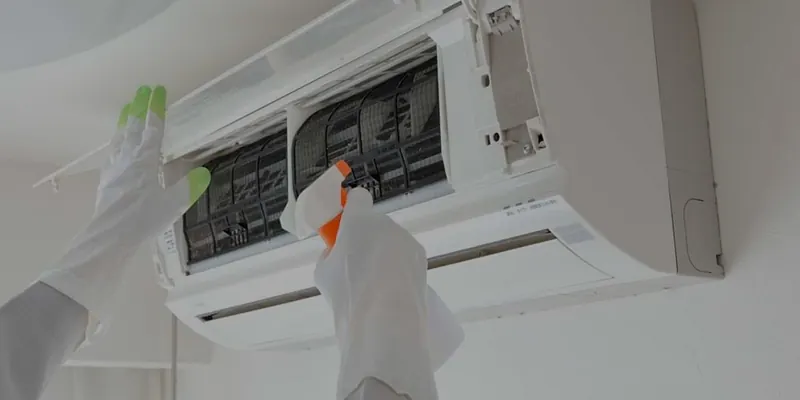
How often to clean AC in Orange County
Discover essential tips on how often to clean your AC, including filter, coil, and drain maintenance. Learn how often to clean ac today!
Read Article →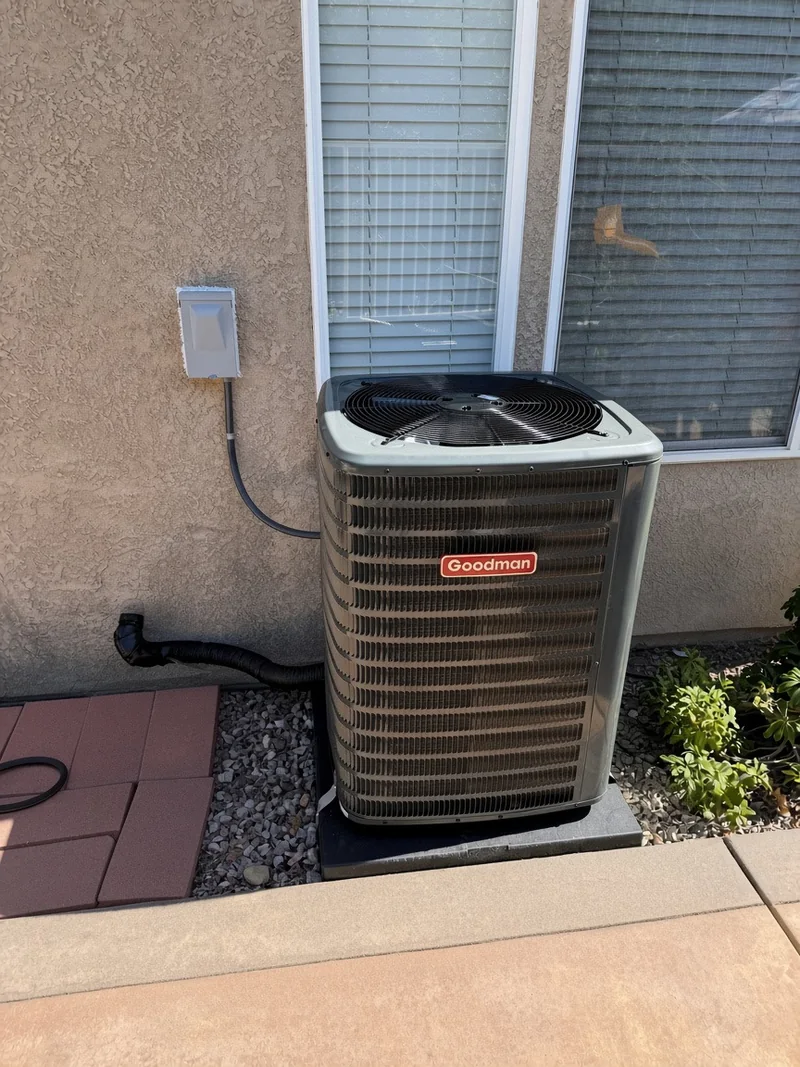
AC Repair vs. Replacement in Orange County (2026)
Should you repair or replace an aging air conditioner in Orange County? A clear decision framework, plus when a heat pump upgrade is the better replacement.
Read Article →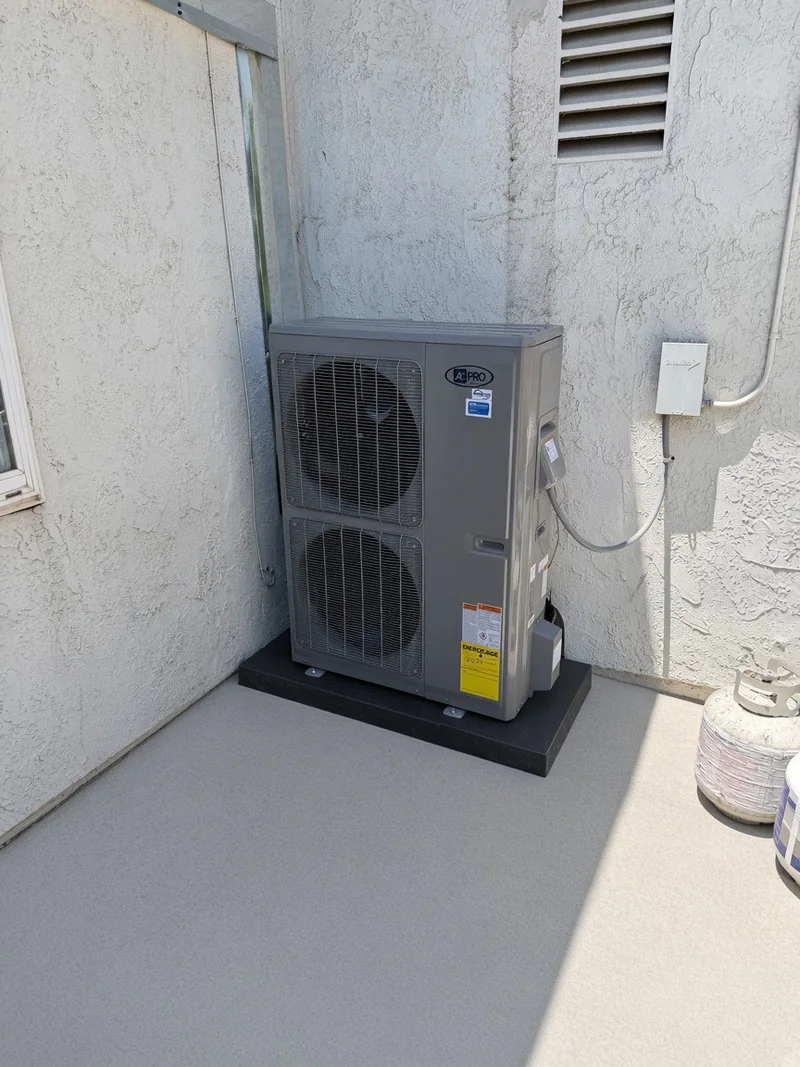
Heat Pump Repair vs. Replacement Cost in Orange County (2026)
Heat pump repair cost in Orange County: repair, motor and compressor replacement ranges from cited sources, plus a repair-or-replace rule by age and SEER2.
Read Article →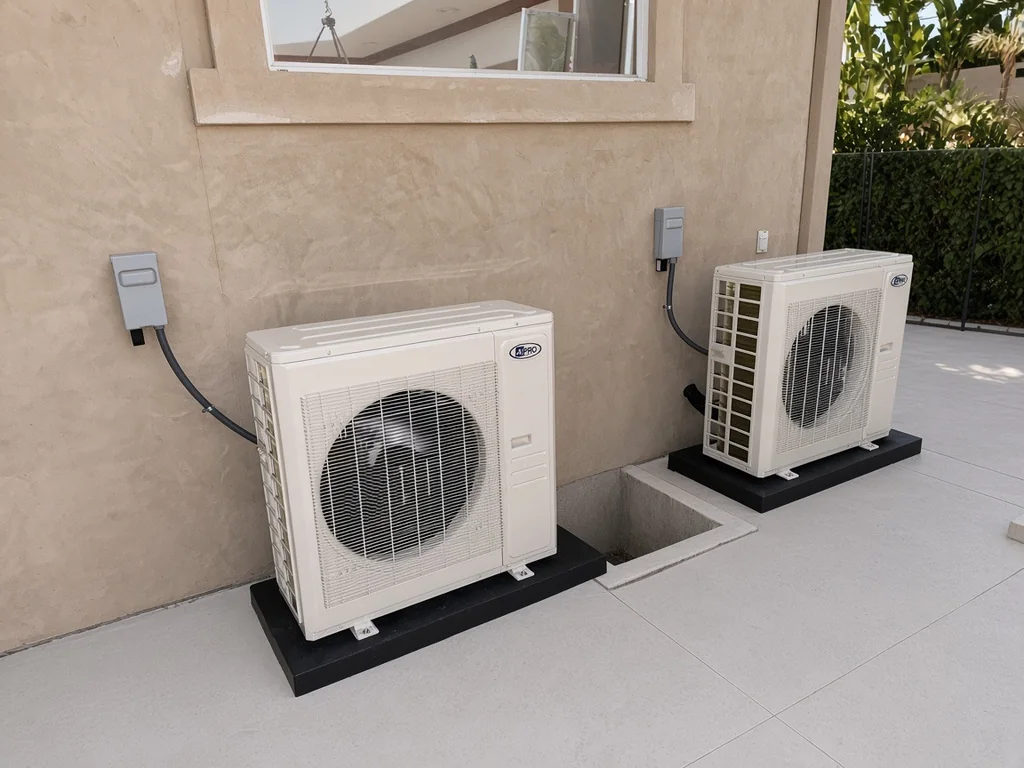
Let’s get it done right.
From AC repair to new heat pump installs, GoTech HVAC is ready to help.
Licensed technicians · Upfront pricing · Same-day service